
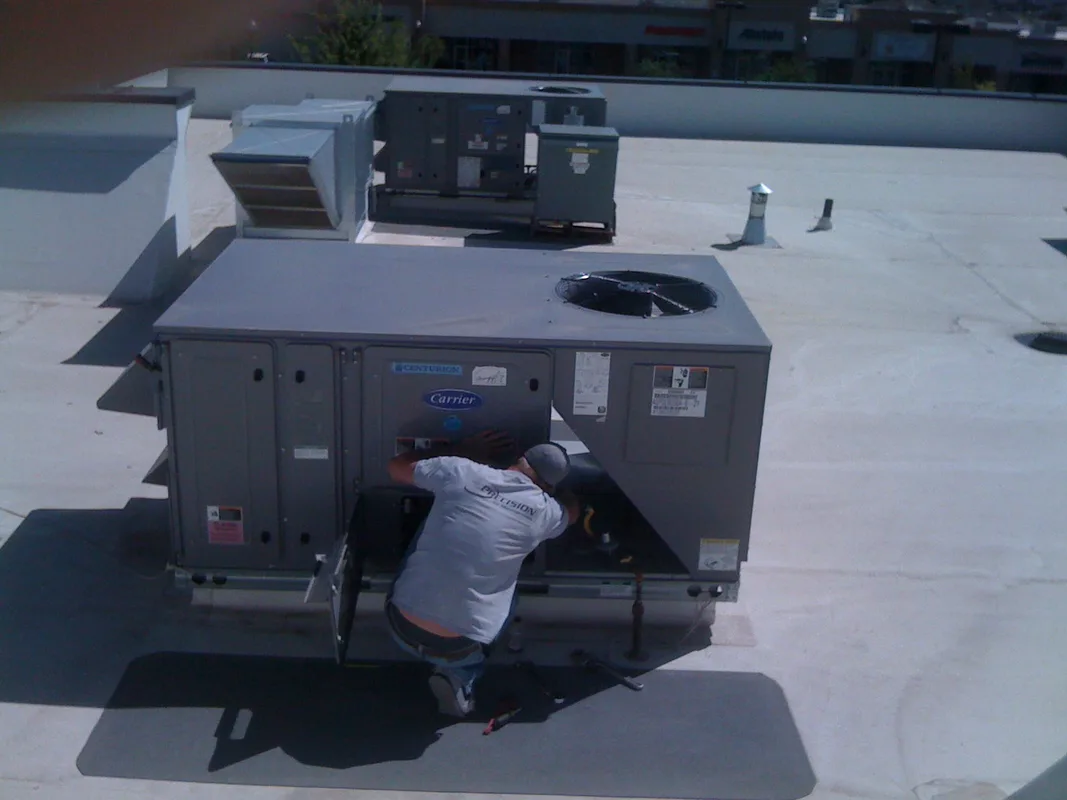
Commercial HVAC Maintenance
Preventive Service Plans to Keep Your System Reliable and Efficient
Preventive Maintenance Keeps Systems Running
Planned Service Reduces Breakdowns and Extends Equipment Life
Commercial HVAC systems are critical to your facility's operation. A breakdown in the middle of summer or winter can compromise comfort and productivity. Preventive maintenance identifies small problems before they become expensive emergencies, keeping your system operating reliably year-round.
Regular service maintains efficiency, extends equipment life by 5-10 years, and provides peace of mind. Our maintenance plans are customized to your facility's specific needs and systems.
Benefits of Maintenance Plans
Why Preventive Service Pays for Itself
Prevent Costly Breakdowns
Regular maintenance identifies small issues before they become expensive emergency repairs. Preventive service is 60-70% less expensive than emergency calls.
Maintain System Efficiency
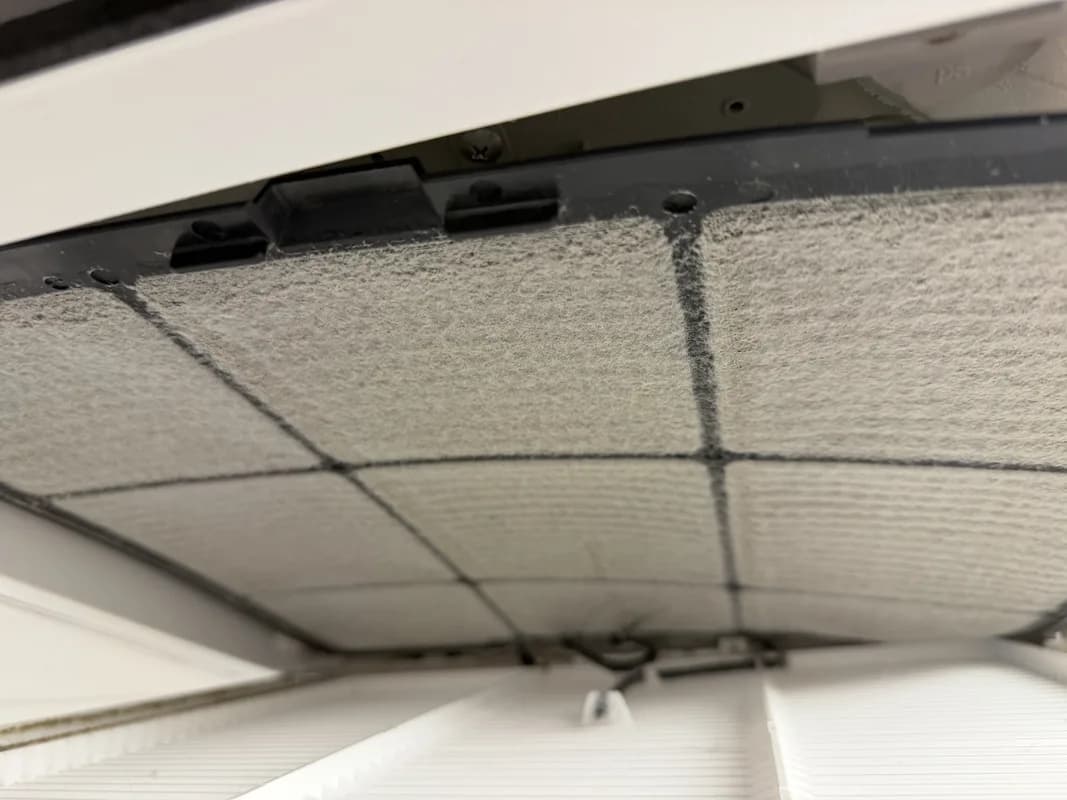
Clean filters, properly charged refrigerant, and optimized controls ensure your system operates at peak efficiency, minimizing energy bills.
Extend Equipment Lifespan
Well-maintained systems last 5-10 years longer. A $2,000 annual maintenance plan is far less expensive than a $35,000 premature replacement.
Warranty Protection
Many manufacturers void warranties without proof of regular maintenance. Our documentation ensures your coverage remains valid.
What's Included in Maintenance
Comprehensive System Inspection and Service
Each Maintenance Visit Includes
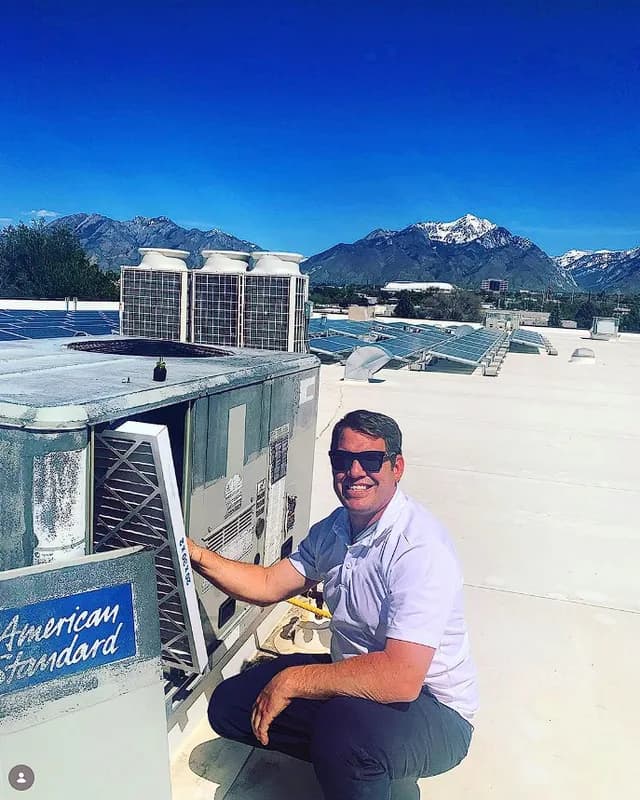
- Filter replacement
- Condenser coil cleaning
- Refrigerant charge check
- Electrical connections inspection
- Controls calibration
- Airflow verification
- Compressor amps check
- System performance testing
- Detailed service report
- Maintenance recommendations
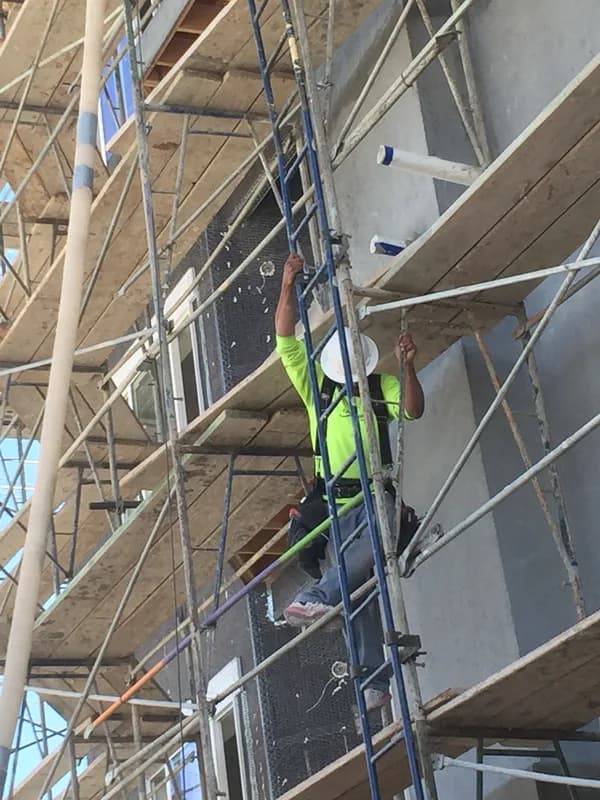
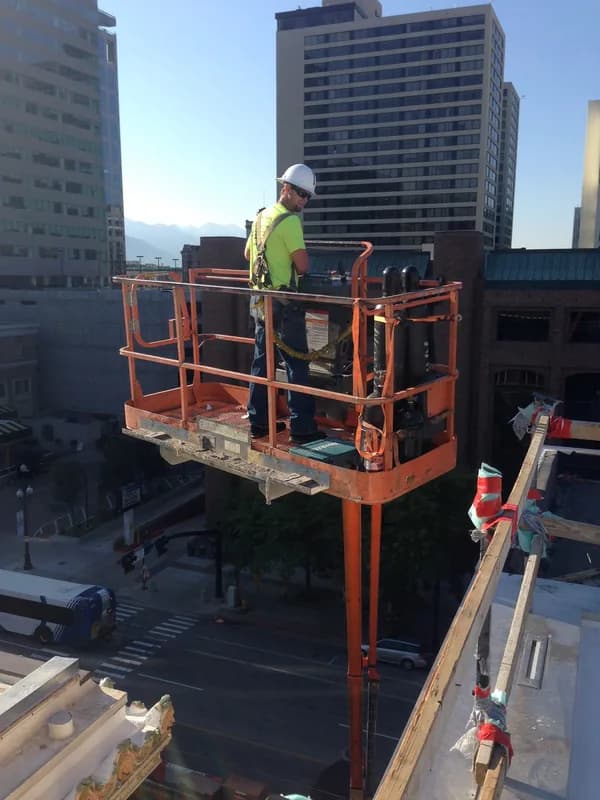
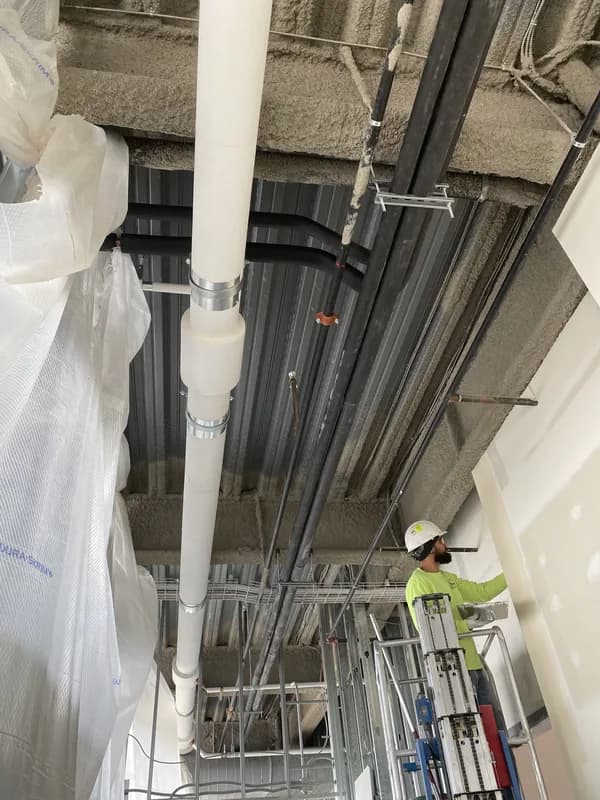
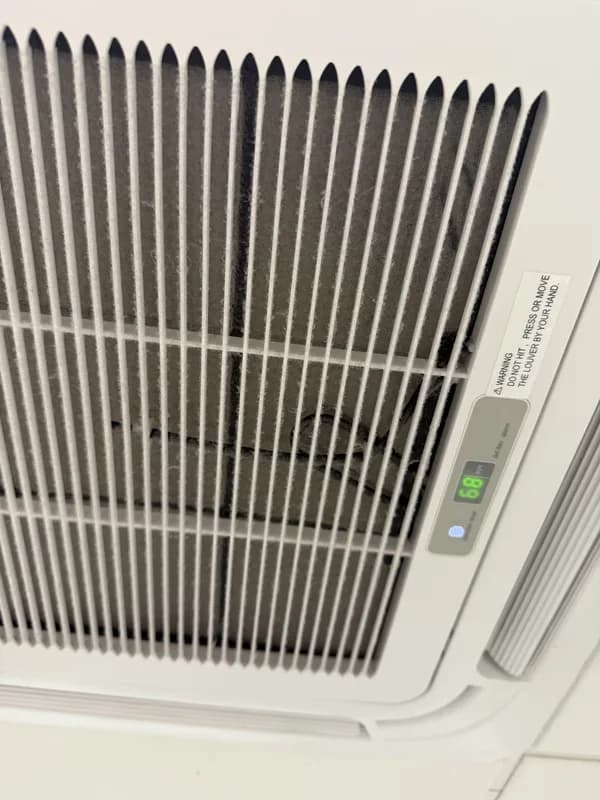
Our Maintenance Work

Seasonal Maintenance Schedule
Preparing Your Systems Year-Round
Spring
- - Pre-cooling season inspection
- - Condenser cleaning
- - Refrigerant verification
- - System startup testing
Summer
- - Peak season monitoring
- - Filter replacement
- - Performance optimization
- - fast response ready
Fall
- - Pre-heating season inspection
- - Gas furnace testing
- - Control system check
- - Ductwork cleaning
Winter
- - Heating system monitoring
- - Filter replacement
- - Electric heat verification
- - Emergency standby ready
Frequently Asked Questions
Maintenance Plan Questions Answered
How often should commercial HVAC systems be serviced?
We recommend service every 3-6 months depending on equipment age and usage. Busy seasons (spring/fall) require additional inspections to prepare for peak demand. Newer systems may need annual service, while older systems benefit from quarterly attention.
What's included in a routine maintenance visit?
Inspections include filter changes, refrigerant charge verification, electrical testing, condenser coil cleaning, thermostat calibration, and performance documentation. Each visit checks 15+ system components.
Can maintenance reduce my energy bills?
Absolutely. A dirty system can lose 5-15% efficiency. Clean coils, proper refrigerant charge, and calibrated controls can reduce energy costs by 10-20%. Most maintenance plans pay for themselves through energy savings.
What is the cost of a maintenance plan?
Plans typically range from $1,200-3,000 annually depending on system complexity and service frequency. responsive service costs are usually $500-2,000, so plans typically pay for themselves by preventing just one emergency call.
Do you offer responsive service outside regular hours?
Maintenance plan members receive priority responsive service available Responsive commercial/365. We have technicians ready for critical HVAC failures at any time.
Will maintenance void my equipment warranty?
Regular maintenance is often required to maintain manufacturer warranties. We provide documentation proving proper maintenance, which supports your warranty coverage if repairs become necessary.
Related Services
Complementary HVAC Solutions
Protect Your HVAC Investment
Enroll in a Precision Air Management maintenance plan today. Keep your systems running efficiently and avoid expensive emergency repairs.